Designing with sun paths, glazing, reflection, shade, and the restorative rhythm of daylight.
Proportion is the foundation
Architecture is the art of making space for life. Natural Light in Modern Architecture matters because good architecture is not about a single gesture or a striking image — it is about the way a building supports the daily, weekly, and seasonal rhythms of the people who inhabit it. We design architecture that begins with observation: how light enters, how air moves, how sound travels, and how a person naturally moves through a sequence of rooms.
Inside and outside
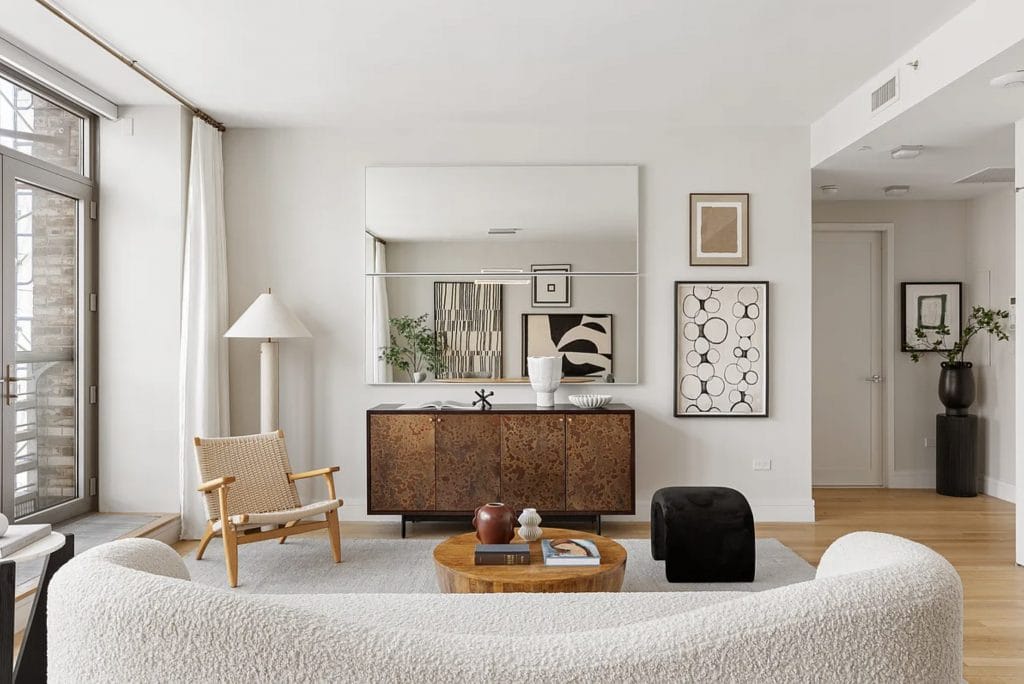
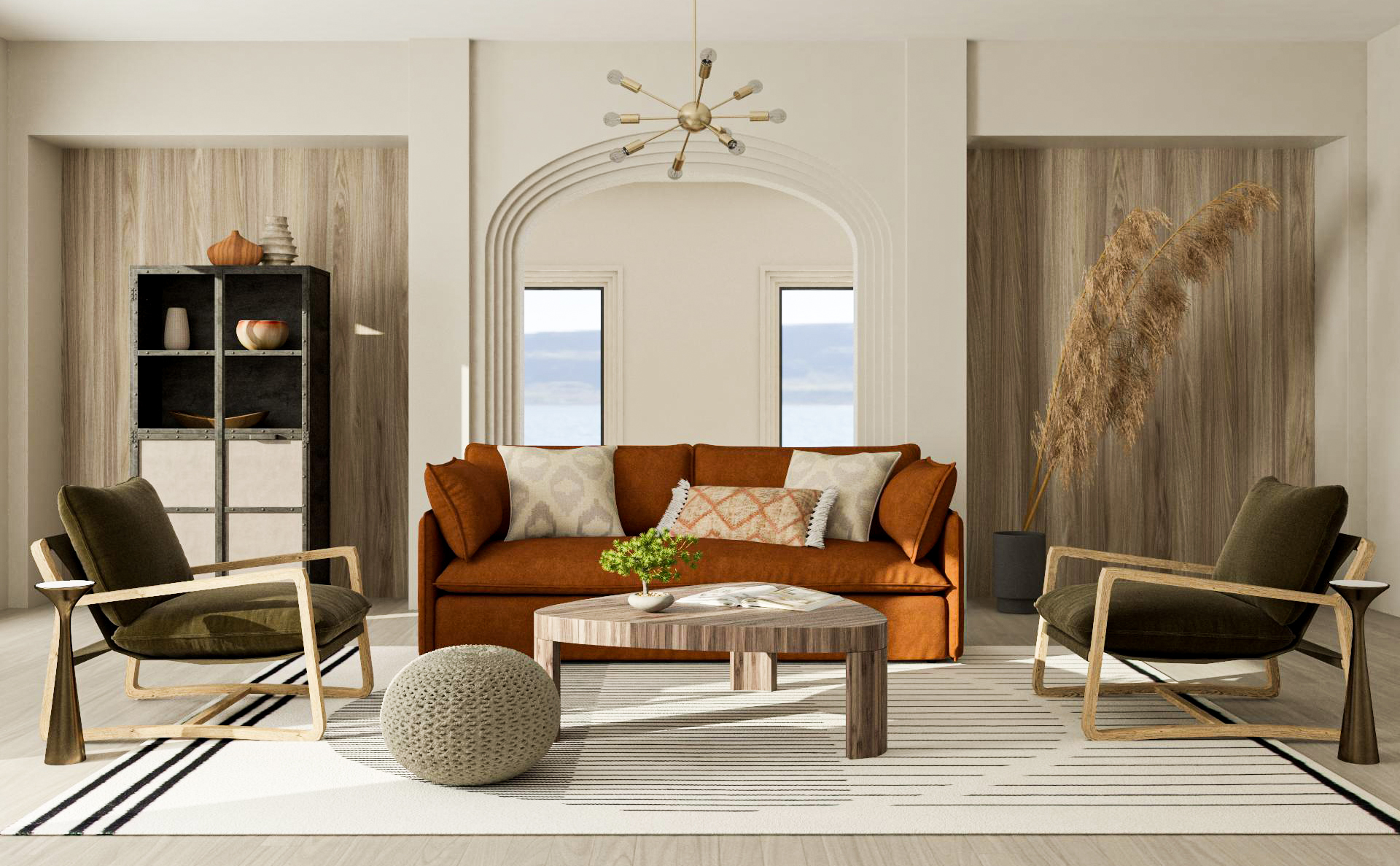
Proportion is the foundation. A room can feel generous without being large when its circulation is calm, its sightlines are deliberate, and its storage does not interrupt the architecture. We look for the natural centre of a space, then place the most important element there — a table that gathers people, a window that frames a view, a bed that receives morning light. Secondary elements stay quiet, giving the eye somewhere to rest.
The invisible architecture
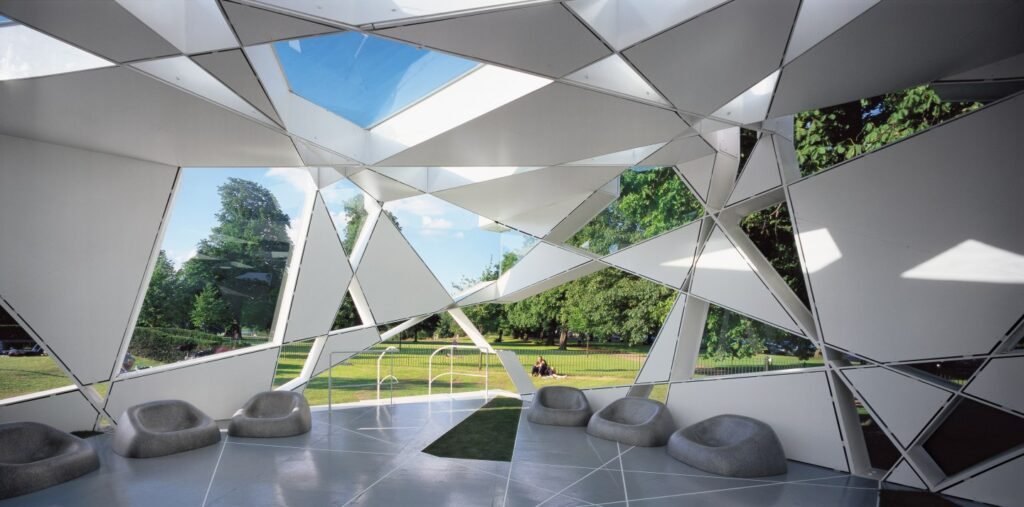
The relationship between inside and outside is one of the most powerful tools in residential architecture. Generous thresholds, sheltered courtyards, continuous floor materials, and carefully placed glazing can dissolve the boundary between built and natural environments without sacrificing comfort or thermal performance. This connection to landscape is not decorative; it is fundamental to how a home feels across the day and the seasons.
Longevity and adaptability
Structure and services — the invisible architecture — determine whether a building performs as well as it looks. We coordinate structural strategy, thermal envelope, ventilation, daylight, and acoustics as an integrated system. A well-insulated, properly ventilated, acoustically calm building is not only more comfortable to live in; it is more sustainable, because the energy it uses over its lifetime dwarfs the energy used to build it.
Make the idea
specific.
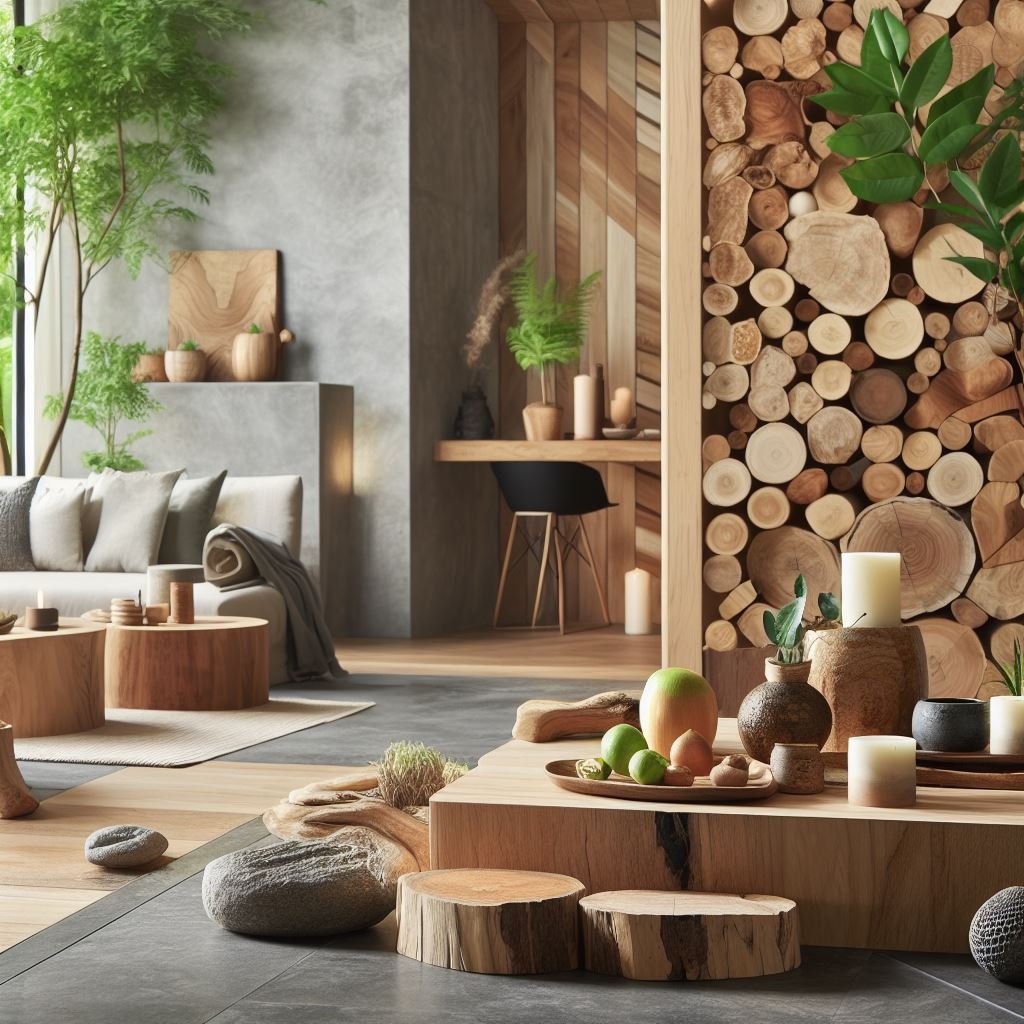
Sustainability in architecture is strongest when it is connected to longevity and adaptability. A building that remains useful, repairable, and loved for many decades creates less waste than one designed around a short-lived trend. We consider orientation, embodied carbon, local materials, responsible sourcing, and the possibility of adapting one element without discarding the whole. These are quiet decisions with lasting consequences.
The most useful next step for anyone considering a building project is to translate inspiration into a brief. Write down what the building must support, what must remain, and where you are willing to invest. Photograph the site at different times of day, measure the routes that matter, and collect images of buildings that feel right — then share that information with an architect who can test it against structure, cost, and buildability.
At Zenvault, we believe thoughtful architecture should feel calm before it feels impressive. Natural Light in Modern Architecture is an invitation to make fewer, better decisions — and to trust that when proportion, light, material, and comfort are considered as one system, the result is a building that supports ordinary life generously and endures long after the trends have moved on.