.jpg)
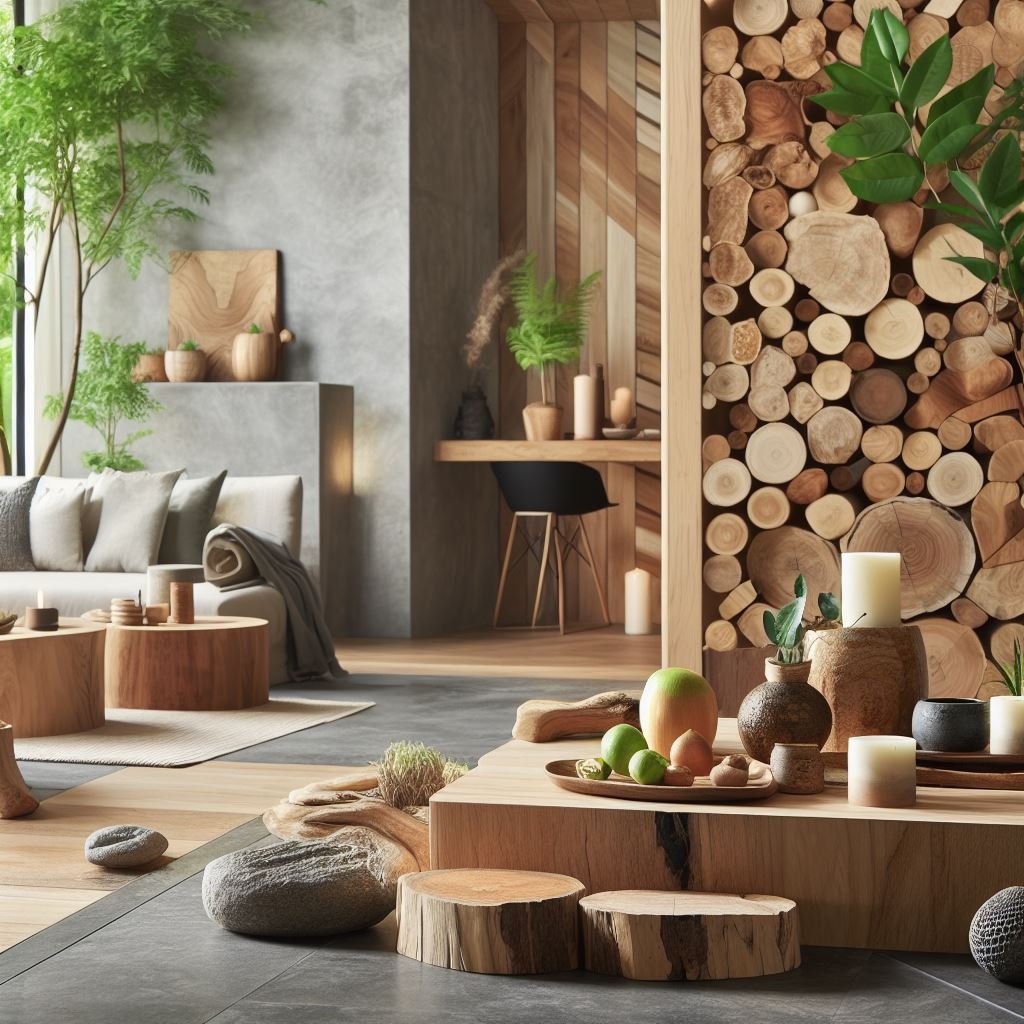
Bringing daylight, planting, natural air, and organic patterns into the architecture of everyday life.
A room is a sequence
The most memorable interiors are not the loudest. Biophilic Design in Modern Homes matters because it asks a more useful question than "what style is this?" — it asks "what kind of life should this room make possible?" The answer begins with observation: how people enter, rest, work, cook, gather, and recover. That simple shift turns an attractive image into a durable brief, one with enough clarity to guide every decision that follows.
Proportion before decoration
The strongest interpretation begins with proportion and movement. A room can feel generous without being large when its circulation is calm, its sightlines are deliberate, and its storage does not interrupt the architecture. We look for the natural centre of a space, then place the most important element there: a table that gathers people, a window that frames a garden, a bed that receives morning light. Secondary elements stay quiet.
Materials with a memory
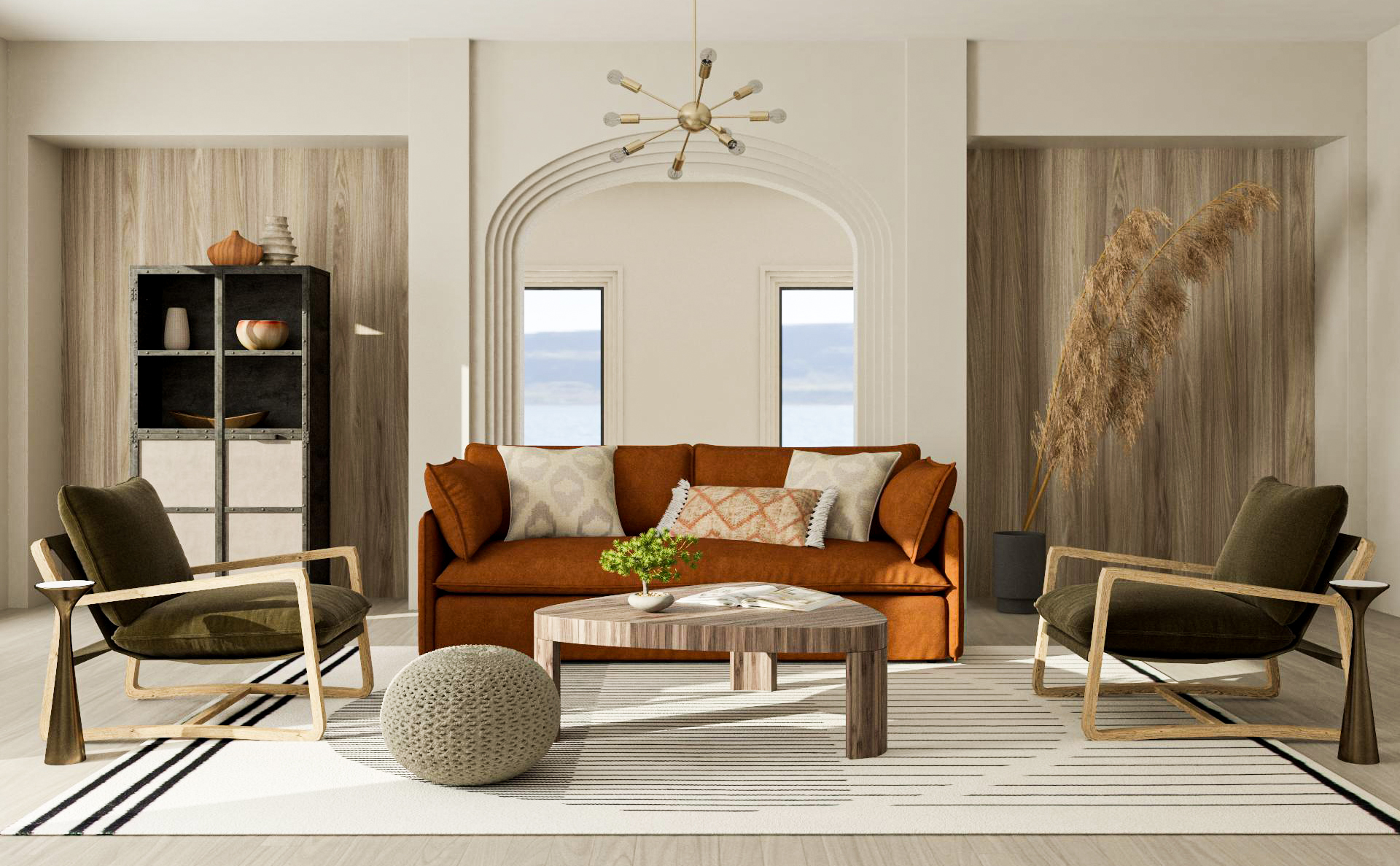
Material choice is where the idea becomes tangible. We prefer surfaces that reveal their making and become more interesting through use: timber with a visible grain, stone with a quiet variation, plaster that catches changing daylight, and textiles that soften sound as well as touch. The question is not whether a material is fashionable, but whether it is appropriate to the room, the climate, and the people who will live with it.
Light as a living layer
Light is treated as part of the architecture rather than decoration added at the end. Natural light is observed across the day, while artificial light is layered for arrival, work, cooking, conversation, and rest. Warm ambient sources create a gentle background; focused task lighting makes useful actions easier; and small points of accent light bring depth to joinery, art, or a textured wall. This approach avoids the flatness of a single bright ceiling fixture.
Make the idea
specific.
Comfort also depends on what cannot be photographed. Acoustic absorption, ventilation, thermal stability, cleanable surfaces, and accessible controls influence the quality of a space long after the reveal. These practical layers are especially important in contemporary homes, where one room may carry several functions. Good design makes the infrastructure feel inevitable: doors close softly, cables disappear, fresh air arrives quietly.
There is also an emotional dimension to editing a home. A successful interior does not erase the personality of its occupants in pursuit of a perfect reference image. It creates enough quiet for meaningful objects, inherited pieces, books, plants, and daily rituals to belong. We often leave a little irregularity in the composition because a home should feel inhabited, not sealed. The most memorable spaces combine clear architectural order with evidence of real life.
At Zenvault, we believe thoughtful design should feel calm before it feels impressive. Biophilic Design in Modern Homes is ultimately an invitation to make fewer, better decisions and to let those decisions work together — so that architecture, material, light, comfort, and personal meaning are considered as one generous system for ordinary life.